Padovana Macinazione - Rosmarino Bio

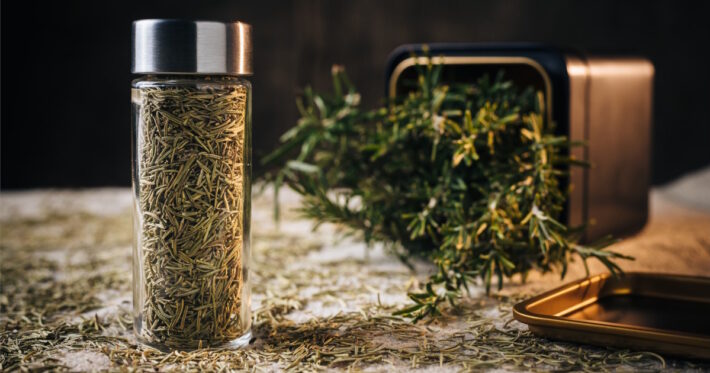
Organic Rosemary

Organic rosemary is a native plant typical of the Mediterranean regions. Formerly known scientifically as Rosmarinus officinalis, recent botanical studies have reclassified it under the Salvia genus, changing its name to Salvia rosmarinus. This evergreen shrub is characterized by needle-like leaves and a strong yet pleasant aroma. In spring, it produces small violet-colored flowers. In…
Padovana Macinazione-semi di finocchio bio

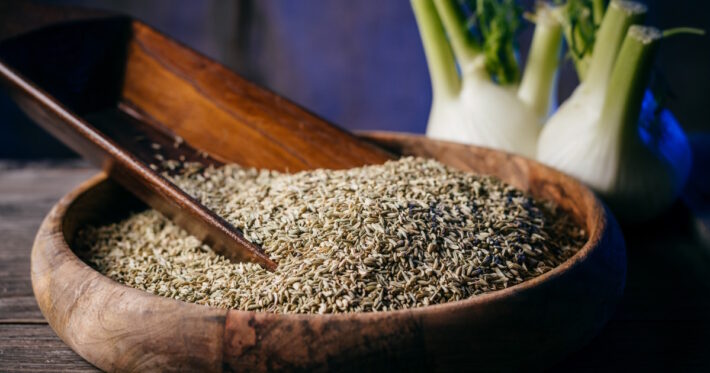
Organic fennel seeds

Organic fennel seeds come from the flowering of the fennel plant, Foeniculum vulgare Mill. Originally native to the Mediterranean regions, this plant is now widely cultivated in home gardens to grow the well-known vegetable commonly used in cooking, whose central white bulb (also known as the “sheath” or “grumolo”) is consumed. From the same plant…

Padovana Macinazione-blog-anacardi

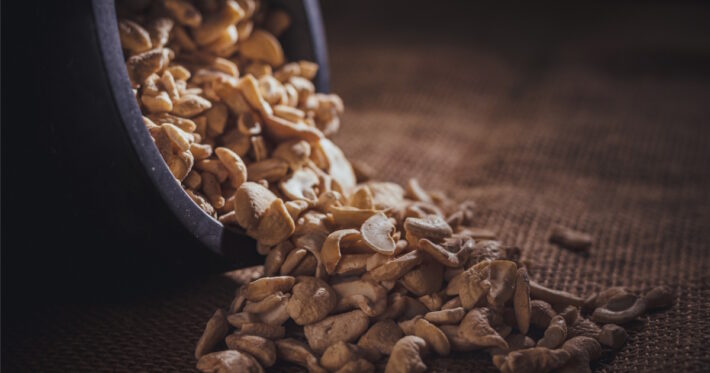
Organic Cashews

Organic cashews belong to the Anacardiaceae family. Originally from Brazil, cashew trees are now also cultivated in parts of Asia and Africa. These nuts are rich in beneficial properties and are extremely versatile in cooking. Nutritional Benefits Cashews are packed with nutrients and offer many health benefits. In particular, they are rich in: monounsaturated and…

Padovana Macinazione_Olio -di-cocco-blog

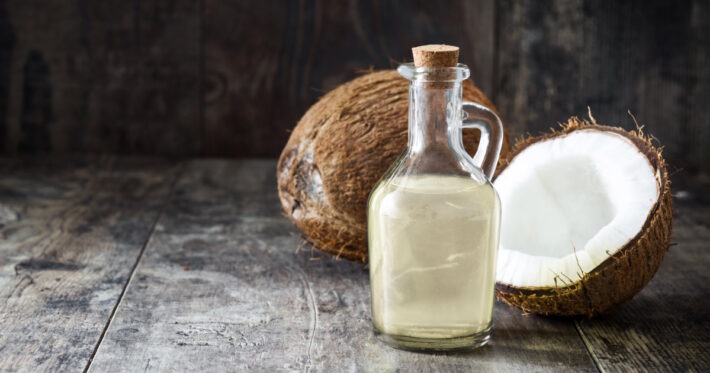
Organic coconut oil

Organic coconut oil, also known as copra oil, is a type of vegetable fat obtained by pressing the pulp of the coconut, the fruit of the coconut palm, an iconic tree of tropical regions. This oil is particularly rich in saturated fats, which is why it tends to solidify at low temperatures and remains in…

Zenzero copertina-blog copertina

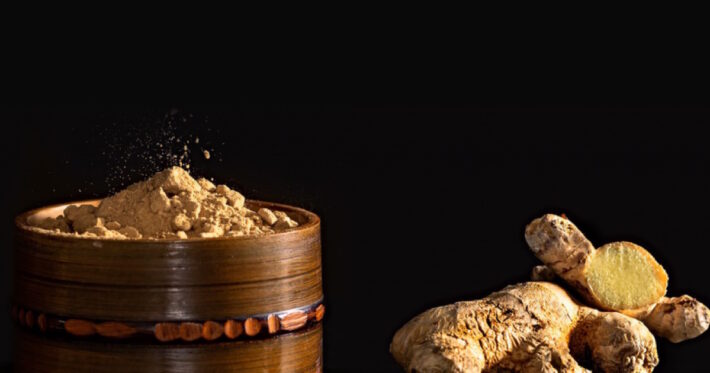
Ginger: Benefits and Uses

Ginger is a perennial herbaceous plant with yellowish-green flowers marked by purple spots. It belongs to the Zingiberaceae family and is native to Asia. The rhizomes, or roots, are the most well-known and widely used part of the plant, appreciated for their versatility and health-promoting properties. This root, a true treasure of flavor and wellness,…

Curcuma

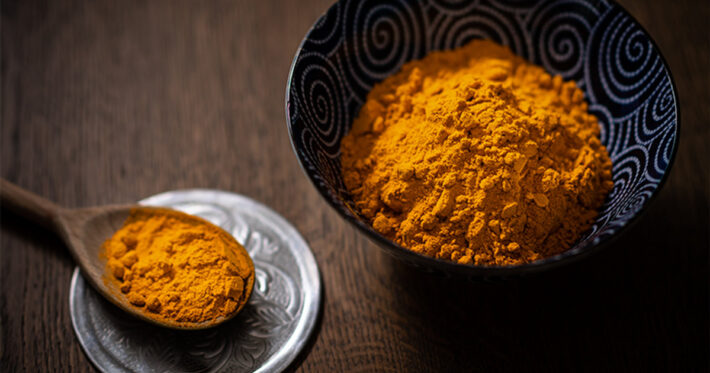
Turmeric: What It Is, Benefits, and Uses

Turmeric is known for its bright yellow color, distinctive taste, and aroma. Native to South Asia, it plays a fundamental role as a spice in traditional Indian cuisine and other Asian dishes. What Is Turmeric? Curcuma Longa, better known as turmeric, belongs to the Zingiberaceae family. The turmeric plant features vibrant green leaves and delicate…

Zucchero e dolcificanti

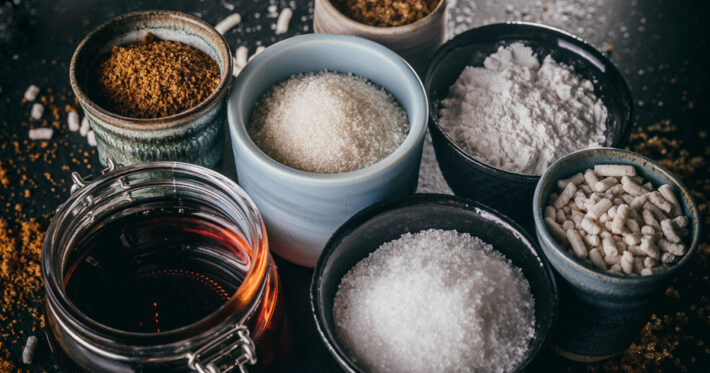
Sugar

The term sugar generally refers to a group of organic compounds made of carbon, hydrogen, and oxygen. Depending on the number of molecules, sugars are classified as: monosaccharides (simple sugars) and polysaccharides (complex sugars). Common table sugar is called sucrose, an organic compound made up of two monosaccharides: glucose and fructose, which are bonded together.…

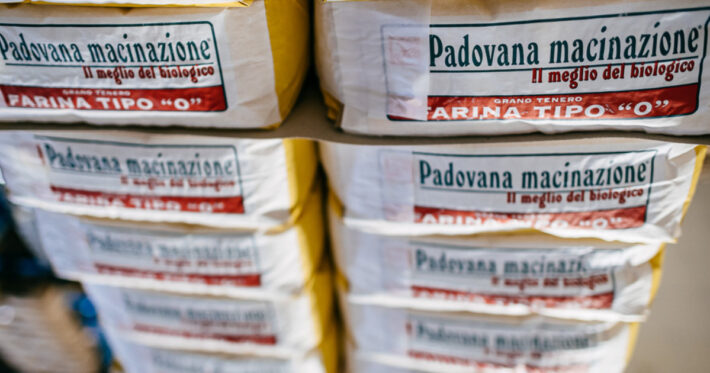
Farina Tipo 0 - Ingrosso prodotti Biologici

Wholesale organic products

Wholesale organic products provide an environmentally friendly alternative to conventional goods, with the added benefit of being healthier for both the consumer and the planet. Organic foods and products have become increasingly popular in recent years, and thanks to technological advancements, wholesale organic suppliers can now offer a wide variety of bulk organic items at…

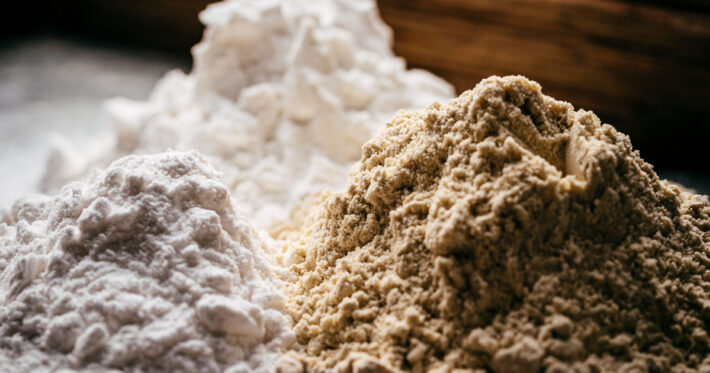
Farine e semole

Flour and semolina: difference and types

The main cereals cultivated to obtain flour and semolina are: wheat (soft and hard); corn; rice; barley; sorghum; oats; rye. Flours and semolinas are obtained by milling grain. The primary objective of milling is to improve the workability of cereals. Among the advantages are a greater capacity to absorb water and the possibility of separating…

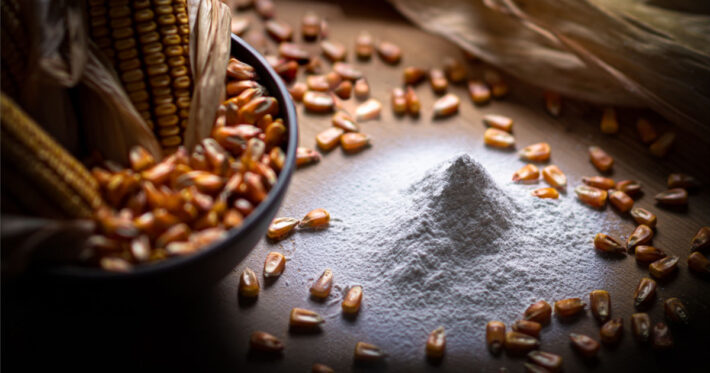
Starch

Starch is a complex carbohydrate that serves as the energy reserve material for plants. It is the product of chlorophyll photosynthesis and accumulates primarily in the seeds and roots of plants.   What is starch? Starch is a polysaccharide belonging to the carbohydrate class, found in the form of granules within the cytoplasm of plant…